
How to Deal With Insect After Rain Storm
No matter the season, bugs seem to tailor their behavior to match what’s happening with the weather, and that’s particularly noticeable after a big rain storm or a hurricane. You may notice insects like mosquitoes, fire ants, and wasps out and about in far greater numbers than usual—and that can be a problem.
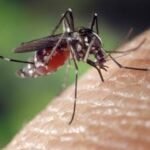
Mosquitoes love moisture and humidity and can seem even more aggressive after a storm. What’s more, all of that rain can cause the local mosquito population to explode. Storms leave pools of water—both on the ground and in places like plant pots, old tires, birdbaths, and even kids’ toys—that can soon become stagnant, providing mosquitoes with loads of prime habitat for breeding. Many mosquitoes lay their eggs in this kind of standing water, and if allowed to mature, these young mosquitoes will emerge from the water in 7 to 10 days. Other types of mosquitoes lay their eggs in moist soil in low lying areas; after the area floods, the eggs hatch, releasing huge numbers of the pests.
Other bugs also come out en masse following periods of heavy rain, as the water soaks into the ground and fills their nests with water. Ants (including fire ants) and subterranean termites will bustle to get to higher ground. During a big storm or long period of rain, they may even seek out shelter in places like your home. These insects will not return to their nests until the rain stops and the nests dry out.
Insects can be an especially big problem after a hurricane. The resulting flooding can damage wasp and hornet nests and flood out yellow jackets, leaving them homeless and looking for shelter. Fire ants forced to abandon their nests will actually form rafts to find a dry place to land. These rafts may look like mats, streamers, or even balls. Once they find a landing place, they may come indoors in search of food.
In addition, as damp, damaged wood begins to decay, it turns into a haven for carpenter ants. The list goes on. If you’ve got a pest problem—even a minor one—chances are a hurricane or other major storm will make it much worse.
Key Pests After Heavy Rain

Mosquitoes
The most common post-rain pest, breeding rapidly in standing water (pots, tires, gutters) in just 7-10 days.
Ants
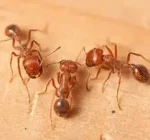
Ants: Saturated soil forces them out of nests; they often invade homes seeking dry, elevated areas.
Termites
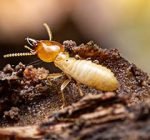
Winged swarmers frequently appear after rain to mate, and high moisture attracts them to damp, rotting wood.
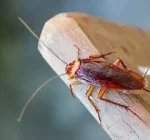
CockRoaches
Seeking refuge from flooded, damp environments, they may invade kitchens, bathrooms, and basements.
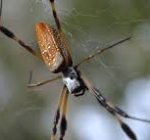
Spiders
Driven by a surge in other insects and the need for dry shelter, they may move into homes.
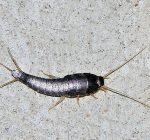
Silverfish and Centipedes
Thriving in moisture, these may appear in damp, flooded areas.
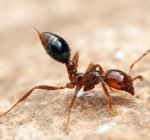
Fire Ants
Often seen in greater numbers after a storm when their subterranean nests are flooded.
Prevention Tips
- Drain Standing Water: Immediately empty containers, birdbaths, and toys.
- Clear Gutters: Ensure water does not collect on the roof or near the foundation.
- Seal Entry Points: Use caulk to seal cracks in the foundation, doors, and windows.
- Check Damp Areas: Monitor basements, crawlspaces, and bathrooms for moisture buildup.