
Guide To Spring Pest Control
SERVING GEORGETOWN COUNTY | HORRY COUNTY
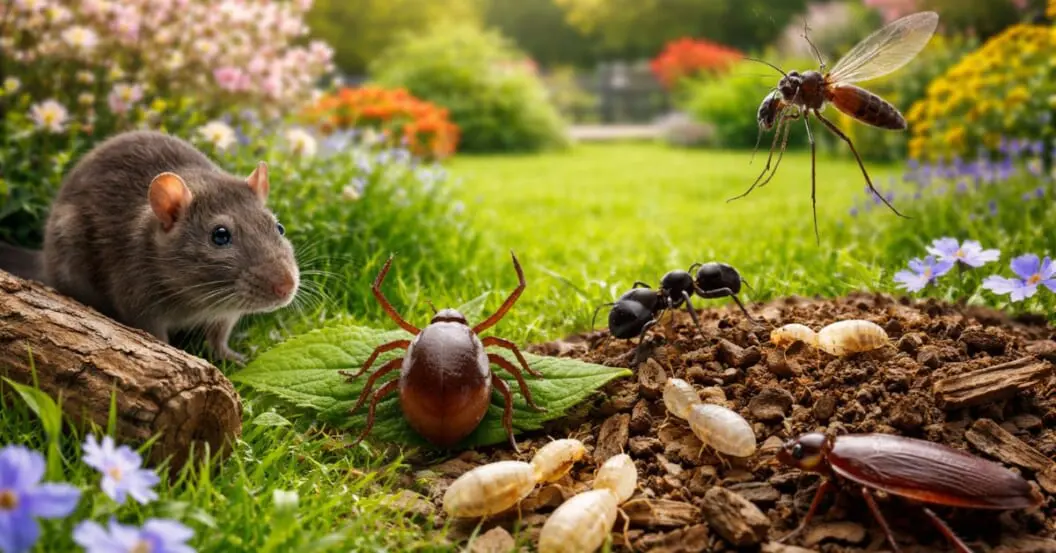
Spring in Myrtle Beach brings warmer temperatures, longer days, and renewed outdoor activity—but it also marks a noticeable shift in pest behavior. As the ground thaws and insects begin breeding, many pests that were dormant or hidden during winter become active again. For homeowners, this winter seasonal transition to spring often results in unexpected infestations inside homes, around foundations, and throughout yards.
Understanding spring pests in Georgetown and Horry County is essential for protecting your home. Spring is not simply a time when pests return—it’s when populations expand, nests are established, and small problems can quickly turn into larger infestations. Homeowners who act early during the spring months are far more likely to prevent long-term pest issues before they escalate.
Why Spring Is Peak Pest Season in South Carolina
Spring creates ideal conditions for pest activity across South Carolina as temperatures begin to rise and the landscape comes back to life. Insects, rodents, and wildlife that were dormant, hidden, or moving minimally during winter become increasingly active as warmth returns. At the same time, moisture from spring rain and melting snow creates favorable environments for nesting, feeding, and rapid population growth.
These conditions are especially common throughout Georgetown, Pawleys Island, Myrtle Beach, South Carolina. Many homes in these areas are surrounded by wooded land, mature trees, and landscaped yards that provide shelter for pests. Older housing stock, combined with seasonal freeze-thaw cycles, can also create new gaps around foundations, siding, and rooflines, making it easier for pests to enter.
Another factor contributing to increased pest activity is the shift in homeowner behavior. As spring arrives, windows are opened, garages are accessed more frequently, and outdoor projects disturb soil and nesting areas. This disruption often drives pests closer to homes in search of food and shelter. Because of these combined environmental and structural factors, spring pests in South Carolina tend to appear suddenly and in greater numbers than during other seasons, catching many homeowners off guard.
Below, we guide you through the most common spring pests in South Carolina.
Ants: One of the Most Common Spring Pests
Many spring ant problems begin quietly and are underestimated by homeowners. Early activity often appears minimal, which leads people to delay action. However, spring is when ant colonies establish foraging paths and begin expanding rapidly.
Homeowners often overlook spring ant activity because: Small numbers of ants seem temporary after winter
- Small numbers of ants seem temporary after winter
- Activity may be limited to one room or surface
- Carpenter ants are mistaken for harmless outdoor ants
- Moisture-damaged wood isn’t visibly obvious
- DIY sprays appear to work temporarily information on the life cycle of pests and they interaction with the environment this helps us to use sensible solutions that are effective.
What’s often missed is that spring ant sightings usually indicate a nearby nest, especially with carpenter ants. As temperatures rise, colonies grow quickly, and what started as a minor issue can become a persistent infestation throughout the home. Early intervention in the spring significantly reduces the risk of widespread ant problems later in the season.
Termites: A Major Spring Threat for South Carolina Homeowners
Termites are one of the most commonly missed spring pests because their damage occurs out of sight. Unlike other pests, termites rarely appear in open living spaces, which leads homeowners to assume there is no immediate risk.
Spring termite activity is often overlooked because:
- Swarming termites are mistaken for flying ants
- Discarded wings are cleaned up without concern
- Damage develops slowly and silently
- Homes appear structurally sound on the surface
- Many believe termites only affect older homes
Spring is when termite colonies expand and establish new nesting locations. Ignoring early warning signs allows damage to progress undetected. Because termites work continuously, spring infestations can lead to significant structural issues by the time visible signs appear. Early awareness and inspection are critical for protecting South Carolina homes. Therefore, because termite damage often goes unnoticed, termites represent one of the most financially damaging spring pests in South Carolina.
Rodents: Spring Re-Entry and Population Growth
Rodent activity in spring is frequently misunderstood because many homeowners associate mice and rats with winter sheltering behavior. As temperatures rise, rodent movement often becomes less noticeable—but that doesn’t mean the problem is gone.
Spring rodent activity is overlooked because:
- Noise levels may decrease after winter
- Rodents move between indoor and outdoor spaces
- Activity shifts to garages, basements, and storage areas
- Droppings appear sporadically at first
- Breeding occurs quietly behind walls
Spring is a key breeding period for rodents. A small, unnoticed population can grow rapidly, leading to increased damage and contamination. Without early control, rodent problems that begin in spring often intensify during summer, making them harder to manage later.
Wasps and Hornets: Nesting Begins in Spring
Early spring wasp and hornet activity is commonly dismissed because nests start small and insects appear infrequently. Homeowners may assume a single wasp sighting is harmless.
Spring nesting activity is often missed because:
- Early nests are small and hidden
- Queen wasps are less aggressive initially
- Activity may be limited to rooflines or decks
- Nests are concealed in soffits or eaves
- Homeowners expect problems later in summer
Spring is the most effective time to address wasp and hornet nests. Once colonies expand, removal becomes more difficult and dangerous. Early identification helps prevent aggressive behavior and large nest development as the spring pests in South Carolina season progresses.
Ticks: A Growing Springtime Concern in South Carolina
Tick activity begins earlier in spring than many homeowners in South Carolina expect. Across South Carolina, especially in areas with wooded surroundings and mature landscaping, ticks become active as soon as temperatures rise above freezing. Because ticks are small and silent, early exposure often goes unnoticed—particularly before families begin spending extended time outdoors.
Spring tick risks are underestimated by many South Carolina homeowners because:
- Outdoor activity is still limited early in the season
- Ticks aren’t usually found indoors, reducing early awareness
- Symptoms may not appear immediately after exposure
- Pets can carry ticks inside from yards and nearby green spaces
- Lawns and landscaping across South Carolina haven’t been fully maintained yet
According to the Centers for Disease Control and Prevention (CDC), ticks can transmit serious illnesses such as Lyme disease and other tick-borne infections, which are especially prevalent in the Carolinas. Spring is when tick populations spread and establish themselves in lawns, wooded edges, and landscaped areas throughout South Carolina, including counties such as Horry and Georgetown. Without early prevention, tick exposure increases significantly as outdoor activity rises later in the season, elevating long-term health risks for South Carolina families and pets.
Cockroaches: Spring Activity Increases Indoors
Cockroach activity often increases quietly during spring as warmer temperatures and moisture create ideal conditions indoors.
Spring cockroach infestations are overlooked because:
- Sightings are infrequent at first
- Activity occurs mostly at night
- Homes appear clean and well-maintained
- Moisture sources are hidden
- Homeowners expect cockroaches in summer, not spring
What’s often missed is that spring conditions allow cockroaches to reproduce rapidly. By the time activity becomes noticeable, infestations are already established. Addressing cockroach issues early helps prevent persistent problems later in the year.
Damage and Risks Caused by Spring Pests
Structural Damage to Homes and Outdoor Features
Unchecked activity from spring pests in South Carolina can lead to serious structural concerns for homeowners. Termites and carpenter ants may weaken wood components by tunneling through framing, decks, and support structures, while squirrels and rodents can damage rooflines, soffits, and insulation as they search for nesting space. Over time, this type of damage can compromise the integrity of a home and result in costly repairs.
Electrical and Fire Hazards Caused by Rodents
Electrical risks are another major issue associated with spring pests in South Carolina, particularly rodents that nest inside walls, attics, and crawlspaces. As they chew through wiring and insulation, rodents increase the risk of electrical failures and potential fire hazards. Because this damage often occurs out of sight, safety concerns can escalate before homeowners realize there is a problem.
Health Risks for Families and Pets
Health concerns also rise as spring pests in South Carolina become more active. Ticks can transmit illnesses that affect both people and pets, while cockroaches may spread bacteria and contribute to allergies or respiratory issues. These risks are especially concerning for households with children, pets, or individuals with existing health sensitivities.
Why Early Spring Infestations Escalate Quickly
Spring is a critical growth period for many pests, allowing populations to expand rapidly once activity begins. Infestations that start in spring often worsen and persist into warmer months if not addressed early. For this reason, identifying and controlling spring pests in South Carolina as soon as signs appear is essential for protecting homes, limiting long-term damage, and maintaining a safe living environment.
How to Prevent Spring Pests in South Carolina Homes
- Start With Early Spring Home Inspections
Preventing spring pests in South Carolina begins with early inspections, especially after winter weather has stressed exterior materials. Freeze-thaw cycles, snow buildup, and ice can create cracks, gaps, and weakened areas around foundations, siding, and rooflines. Identifying these vulnerabilities early in the season helps stop pests before they begin nesting or breeding around the home. - Seal Entry Points and Repair Exterior Damage
Small openings are one of the most common ways spring pests gain access to homes. Cracks in foundations, loose siding, damaged wood, and compromised vents can all serve as entry points for insects and rodents. Repairing damaged rooflines, sealing gaps, and replacing worn materials reduces the opportunities pests have to move indoors as temperatures rise. - Control Moisture and Improve Drainage
Moisture management plays a major role in preventing spring pest activity. Standing water, clogged gutters, poor drainage, and damp basements create conditions that attract insects and rodents. Addressing leaks promptly, maintaining proper drainage away from the home, and ensuring gutters are clear help limit environments where spring pests in South Carolina are most likely to thrive. - Reduce Food Sources Inside and Outside the Home
Limiting access to food is an essential part of pest prevention. Storing food in sealed containers, cleaning up crumbs, and securing trash bins reduce the resources pests rely on. Outdoor food sources, including pet bowls and bird feeders, should also be monitored carefully, as they can draw pests closer to the structure and increase the likelihood of infestation. - Maintain Landscaping to Limit Pest Harborage
Landscaping maintenance further strengthens prevention efforts. Trimming vegetation away from siding and rooflines, removing leaf litter, and keeping shrubs well-maintained reduces hiding and nesting areas near the home. For homeowners in South Carolina, these steps are especially important, as freeze-thaw cycles often create new access points that allow spring pests in South Carolina to enter more easily.
When Professional Pest Control Is Necessary
DIY treatments often fail to address nesting sites and recurring infestations.
Professional pest control is recommended when:
- Structural damage is suspected
- Nests are inaccessible
- Health concerns arise
Experienced professionals understand seasonal behavior patterns and provide long-term protection from spring pests in South Carolina.
Take Action Against Spring Pests in South Carolina
If you’re noticing ants indoors, termite activity, rodent movement, or increased insect presence, now is the time to act. Spring pests in South Carolina are easiest to control before colonies expand and damage worsens.
Bugs Out Pest Control proudly serves homeowners throughout Georgetown County and Horry County, South Carolina, including Myrtle Beach, Pawleys Island, Surfside Beach, Conway, Georgetown and beyond, providing professional inspections, targeted treatments, and long-term pest prevention solutions.
Contact Bugs Out Pest Control today to protect your South Carolina home and stay ahead of spring pest problems before they take hold.