
How to Get Rid of Squirrels in the Attic: A Homeowner’s Guide
SERVING GEORGETOWN COUNTY | HORRY COUNTY
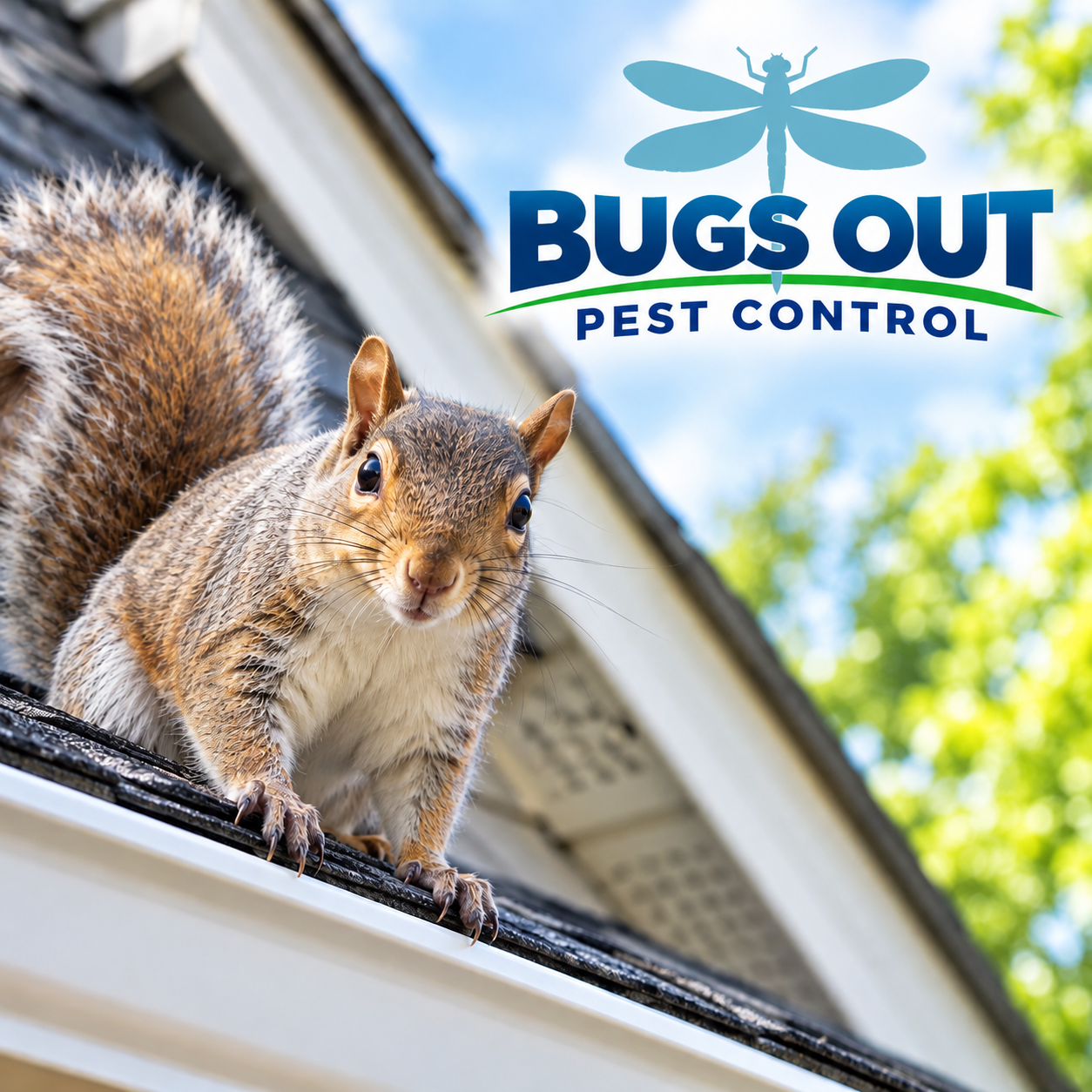
Sounds Coming From The Attic
Hearing scratching, scampering, or chewing sounds coming from your attic? You may have squirrels living above your ceiling! While squirrels are a common sight outdoors, they can cause significant problems when they find their way inside your home.
At Bugs Out Pest Control, we understand how frustrating it can be to discover unwanted wildlife in your home. The good news is that with the right approach, you can address a squirrel problem, protect your property, and help prevent future intrusions.
In this guide, we’ll explain how to recognize squirrels in your attic, what attracts them, and the steps you can take to keep them out.
Signs You Have Squirrels in Your Attic
Squirrels are active during the day, so you may notice noises in the morning or late afternoon. Common signs include:
Scratching and scampering: You may hear running, scratching, or rolling sounds above your ceiling.
Chewed materials: Squirrels gnaw on wood, insulation, and other materials. They may also chew electrical wiring, creating a potential fire hazard.
Droppings and nesting materials: Accumulations of nesting debris, leaves, and droppings can indicate animal activity.
Entry holes: Look for damaged soffits, roof vents, loose fascia boards, and openings near rooflines.
Outdoor activity: Squirrels repeatedly traveling along your roof, gutters, or tree branches may be accessing an attic opening.
If you notice these signs, investigate carefully. Other animals, including rats and raccoons, can make similar noises.
Why Do Squirrels Get Into Attics?
Your attic can provide squirrels with shelter from bad weather, protection from predators, and a quiet place to raise their young.
Several conditions can make a home attractive to squirrels:
Overhanging tree branches that provide access to the roof.
Damaged roof shingles, soffits, or fascia boards.
Unscreened or damaged attic vents.
Gaps around utility lines and roof intersections.
Quiet, undisturbed attic spaces suitable for nesting.
In coastal South Carolina, trees, warm weather, and seasonal changes can contribute to wildlife activity around homes. Keeping your roofline and exterior in good condition can help reduce opportunities for entry.
How to Get Rid of Squirrels in the Attic
1. Identify Where the Squirrels Are Entering
Start by inspecting the exterior of your home from the ground. Look for damaged vents, loose roofing materials, gnaw marks, and openings near the eaves.
Avoid climbing onto the roof or entering an unsafe attic. A professional inspection can help identify entry points and determine whether squirrels or another animal are responsible.
2. Check for Baby Squirrels Before Taking Action
This step is especially important. Squirrels may build nests in attics and raise young inside them. Sealing an opening before the animals have left can trap adults or babies inside, potentially causing animal suffering, odors, and additional damage.
Before exclusion work begins, confirm that no dependent young are present. If you suspect a nest, consult a qualified wildlife professional who can recommend an appropriate and humane solution.
3. Use Humane Wildlife Exclusion
Once it is confirmed that the attic is clear of animals and young, the entry points can be sealed using durable, wildlife-resistant materials.
Depending on the situation, a professional may use a one-way exclusion device that allows squirrels to leave but prevents them from returning. These devices must be used appropriately and monitored to avoid trapping animals inside or separating mothers from their young.
Important: Do not seal every opening while squirrels may still be inside. Also, check local wildlife regulations before trapping, relocating, or handling squirrels.
4. Repair Damage and Remove Nesting Materials Safely
After the squirrels are gone, inspect the attic for damaged insulation, chewed wiring, contaminated materials, and structural damage.
Because animal droppings and nesting debris can pose health risks, avoid sweeping or vacuuming contaminated material without proper precautions. Significant contamination should be assessed and cleaned by a qualified professional.
Have a licensed electrician evaluate any wiring that may have been chewed.
5. Make Your Home Less Accessible
Preventing another squirrel infestation starts with your home’s exterior. Consider these steps:
Trim tree branches that provide easy access to the roof.
Repair damaged soffits, fascia boards, and roof vents.
Install appropriate wildlife-resistant vent covers.
Seal gaps around pipes, cables, and other exterior openings.
Keep gutters clear and inspect the roofline regularly.
Remember that squirrels are excellent climbers. Tree trimming alone is rarely enough if your home has accessible openings.
What Not to Do When Squirrels Are in Your Attic
Some quick fixes can make the problem worse. Avoid these common mistakes:
Sealing entry holes too early: This may trap squirrels or their young inside.
Using poison: Poison can cause animals to die inside walls or ceilings and create additional hazards for pets and other wildlife.
Relying on sound or scent repellents alone: These products may not provide reliable, lasting control.
Attempting risky roof work: Falls and injuries are possible when inspecting rooflines without proper equipment.
Ignoring electrical damage: Chewed wiring can pose a serious fire risk.
A lasting solution requires removing the source of the problem, repairing the entry points, and addressing any damage.
When Should You Call a Professional?
Professional help is a good idea if you hear persistent noises, find evidence of nesting, cannot locate the entry point, or suspect damage to wiring or insulation.
A trained professional can help determine what animal is present, assess the extent of the activity, and recommend suitable next steps. Depending on the work required, wildlife exclusion may need to be handled by a specialist licensed or authorized for that service.
Keep Squirrels Out With Help From Bugs Out Pest Control
Finding squirrels in your attic can be stressful, but acting promptly can help protect your home from further damage.
At Bugs Out Pest Control, we help homeowners identify pest concerns and take steps to protect their properties. If you are hearing unexplained noises or noticing signs of unwanted activity, we can help you determine the appropriate next step and whether a wildlife specialist is needed.
📞 Call Bugs Out Pest Control at 843-732-2010
🌐 Visit: www.bugsoutpestcontrol.com
Caring people using careful solutions when servicing your pest problems!
Frequently Asked Questions
Will squirrels leave my attic on their own?
They may leave temporarily to search for food, but they can return if the entry point remains open and the attic provides suitable shelter. Proper exclusion and repairs are the best way to help prevent reentry.
Can squirrels chew through electrical wires?
Yes. Squirrels can gnaw on wiring, potentially creating a fire hazard. If you suspect wiring damage, contact a licensed electrician.
Is it safe to seal a squirrel hole?
Only after confirming that no squirrels or dependent young are trapped inside. A wildlife professional can help determine when and how to close the opening safely.
How can I prevent squirrels from returning?
Maintain your roofline, repair damaged vents and soffits, seal suitable entry points, and trim branches that provide access to your roof. Regular exterior inspections can help catch problems early.
Does pest control include squirrel removal?
Services vary by provider. Ask whether the company handles wildlife exclusion directly or works with a qualified wildlife specialist.
Don’t let unwanted attic visitors damage your home. Contact Bugs Out Pest Control to discuss your concerns and find the right next step.
Keeping your home pest-free requires regular maintenance and attention to detail, but sometimes pests can still find a way in despite your best efforts. That’s where Bugs Out Pest Control can help with the best home pest control services around!
If you are in need of pest control services, feel free to contact Bugs Out Pest Control. Our office is located in Pawleys Island, South Carolina. We will be happy to help you with your wildlife and pest removal and control services. Feel free to visit our website: www.bugsoutpestcontrol.com or call us at (843)732-2010.
We serve the counties of Georgetown and Horry. Give us a call to see if we serve your town within the counties list.
- As a family owned business you will always be serviced by an owner.
- We guarantee results or we’ll come back and make it right.
- We are well trained professionals in “IPM” which is highly effective approach using comprehensive information on the life cycle of pests and they interaction with the environment this helps us to use sensible solutions that are effective.