
Common Entry Points Pests Use To Access Homes
A building’s structure can look solid and secure from a distance, but the smallest details often tell a different story. Over time, changes in weather, shifting soil, and normal wear can create tiny openings in foundations, vents, and siding. To us, they might seem too small to worry about, but to insects and rodents, they’re practically a front door. Gaps provide a path from the outside world into the comfort and protection of the indoors. Moisture, warmth, and shelter become accessible in an instant, and once pests find that entry point, they rarely just pass through—they settle in.
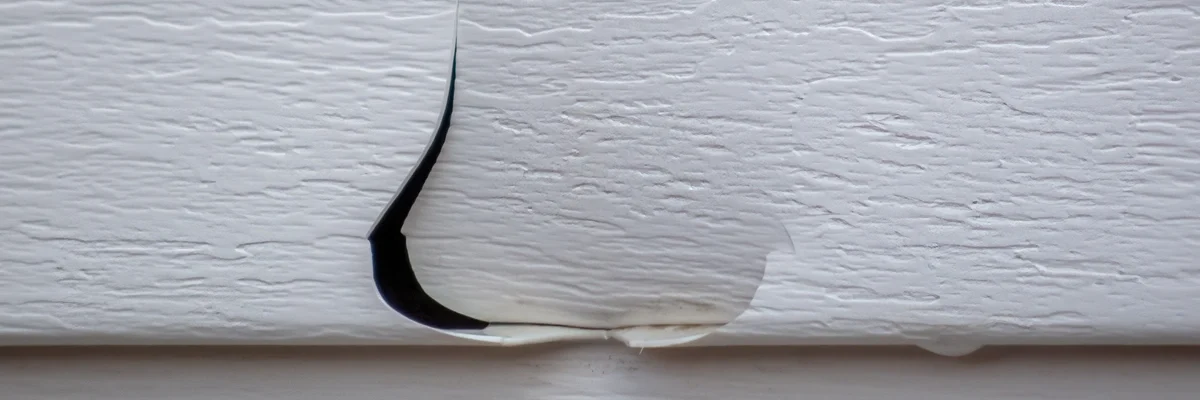
Foundations, in particular, are a prime target. Even hairline cracks can act like highways for ants, spiders, and other insects. Vents, while necessary for airflow, can become a problem when their covers loosen or their screens tear. Siding that warps or separates from the wall can create hidden tunnels. These aren’t dramatic breaches; they’re subtle, almost invisible to the casual observer. Yet, they’re the perfect opportunity for pests searching for an easy route inside.
How Pests Sense And Exploit Openings
Animals and insects navigate their environments with senses far sharper than our own. Rodents rely heavily on smell, detecting food sources through the smallest whiff of scent carried out of a home. Insects such as ants and cockroaches use chemical trails and vibration cues to zero in on opportunities. If air is escaping through a crack or gap, it’s not just warm or cool air—it’s carrying odors that advertise the presence of food or water inside.
Many pests are adept at exploring. A mouse can compress its body to fit through a hole the size of a dime. Spiders and ants can flatten themselves into impossibly small spaces. And because they’re persistent, once they detect a promising gap, they’ll keep pushing until they’re inside. Even a vent with a small tear in the mesh can be enough for them to get through.
Some species, like wasps, will even investigate potential entry points repeatedly, coming back over several days to test the same location. Others, like silverfish, are drawn to the moisture and darkness around poorly sealed areas. In urban settings, this behavior is amplified because competition for resources is fierce—meaning that once a pest locates an opening into a building, it quickly becomes a high-value spot they’ll work to claim.
Another factor is how pests use these openings as temporary shelter. Cracks can serve as hiding places while they explore the surroundings. If the space is dark, quiet, and protected from wind or rain, it becomes an ideal staging area for a more permanent invasion. They may not even move deep into a structure immediately—they can live right in the walls, emerging at night when it’s quiet to search for food.
The Chain Reaction Once They’re Inside
Once pests gain access through a crack or gap, the problem tends to multiply quickly. Insects can begin breeding in concealed areas, creating colonies before any activity is noticeable. Rodents, once established, often gnaw larger openings to make travel easier, effectively widening the entry point for other pests as well. This creates a ripple effect where one small breach can lead to multiple infestations over time.
The nature of these invasions often makes them difficult to detect in the early stages. For example, termites that enter through foundation cracks might remain hidden for months while causing damage inside walls. Cockroaches might use a gap behind siding as a base, only venturing out at night. By the time visible signs appear, the infestation is often well established.
Moisture often plays a major role, too. Cracks can allow rainwater or condensation to seep in, creating damp, humid environments where mold can form—and mold, in turn, attracts certain insects. This adds another layer of appeal for pests, turning a small opening into a thriving micro-habitat right next to your living space. Even more problematic, these damp areas can speed up material deterioration, making it easier for pests to enlarge the gap and deepen their access over time.
It’s also worth noting that once a single pest species gains entry, it can create conditions that draw in others. Rodents can bring in fleas or mites. Ants can leave behind pheromone trails that guide more ants inside. One breach can quickly turn into a diverse, layered infestation if it goes unaddressed.
Why Small Problems Become Big Ones Quickly
The real challenge with cracks and gaps is that they don’t just remain static. A minor separation in siding can widen under the stress of heat, cold, and wind. A vent screen that’s slightly bent can warp further, creating a larger space over time. Pests contribute to the problem as well—rodents will chew through wood, vinyl, or even light metal to make a passage more accommodating.
Once the structural breach expands, controlling the pest issue becomes significantly harder. It’s no longer just about sealing an opening; it’s about addressing the damage, removing the pests, and preventing further intrusion. This often means a multi-layered approach that combines repair work with targeted pest control measures.
And it’s not just exterior entry points that matter. Pests that make it through a foundation crack or siding gap often find their way into crawl spaces, basements, or attics. From there, the network of wall voids, pipes, and wiring channels inside a building offers countless travel routes. That’s why a single exterior vulnerability can lead to problems in areas that seem completely unrelated.
Stopping Pests Before They Get Settled
Small cracks and gaps might not look threatening, but they’re among the most common and effective entry points for unwanted pests. Addressing these vulnerabilities quickly can prevent bigger, more expensive problems from developing. At Bugs Out Pest Control, we focus on both prevention and elimination—identifying the subtle openings that pests target and taking steps to ensure they can’t exploit them.
If you’ve noticed even minor damage in your home’s foundation, vents, or siding, it’s worth taking action before pests turn it into their gateway. Contact Bugs Out Pest Control today to schedule a thorough inspection and learn how we can help keep your home protected from these unwelcome intruders.
A professional inspection from Bugs Out Pest Control helps uncover what’s really driving the activity by identifying the ant type, locating true entry points, and spotting hidden moisture before the problem repeats. If you’re ready to stop guessing and get clear answers for your home, that’s where we can help. Contact us today!
Read More: German Cockroaches
Tags:
Crane Flies,Ants, Bees, Cockroaches, Termites, South Carolina, Bugs Out Pest Cont