
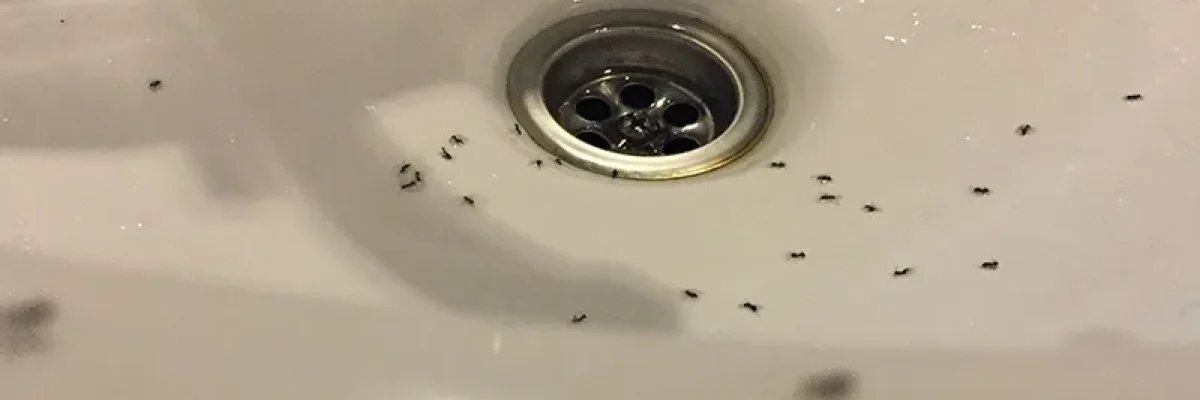
Ants in the Bathroom Sink? Common Causes in Georgetown County and Horry County Homes
Why Ants Show Up Near Bathroom Sinks (Even When There’s No “Food”)
Ants are always looking for three things: water, shelter, and food.
Bathrooms check all three boxes—even if you keep yours spotless.
- Water: A tiny drip under the sink, condensation on supply lines, or moisture in the wall void can be enough.
- Shelter: The space behind a vanity and inside a wall is protected, warm, and undisturbed.
- “Sneaky” food sources: Toothpaste residue, soap scum, spilled mouthwash, lotions, and even the gunk in an overflow hole can be attractive.
Ants don’t have to be “coming up through the drain” for it to look that way. In many cases, they’re using gaps around the plumbing behind the sink and emerging at the faucet base, backsplash seam, or countertop edge.
The 7 Most Common Entry Points We See Around Bathroom Sinks
In The Grand Strand-area homes, ant trails around a bathroom sink often trace back to one (or more) of these spots:
1) The Pipe Penetration Under the Sink
Where the drain pipe and water lines pass into the wall, there’s often a small gap. Ants love these.
2) The Gap Behind the Vanity (Where It Meets the Wall)
Even a tight-looking vanity can have small openings where ants can travel unseen.
3) Backsplash Seams and Countertop Edges
If there’s a tiny void or cracked caulk line, ants can follow it like a highway.
4) The Overflow Hole in the Sink Basin
That little opening near the top of many sinks can collect moisture and organic buildup.
5) Window Trim Near the Sink
Bathrooms often have nearby windows—another common access point, especially when caulk has aged.
6) Vents and Wall Penetrations (Fan Housing, Electrical, or Plumbing Chases)
Ants will use any protected pathway through a wall.
7) Outdoor-to-Indoor Bridges
Branches, vines, or mulch tight against the foundation can help ants forage and then explore inside.
What to Do Tonight (Fast Steps That Actually Help)
When ants are actively trailing, it’s easy to go straight to sprays. But sprays often kill the ants you can see while leaving the colony untouched—and that can keep the problem dragging on.
Here’s a smarter, homeowner-friendly approach.
Step 1: Don’t “Wipe and Walk Away”—Clean the Trail the Right Way
Ants leave scent trails so others can follow.
- Wipe the trail using a household cleaner (not just water).
- Then dry the area.
Step 2: Remove Moisture Like You Mean It
For the next several days, treat your bathroom like it’s on a “dry-out” mission:
- Fix drips, even tiny ones.
- Run the exhaust fan during and after showers.
- Dry standing water around the sink and soap dishes.
- Check the cabinet floor under the sink for dampness.
Step 3: Do a Quick “Entry Point Scan” Under the Sink
Use a flashlight and look at where pipes enter the wall.
- If you can see daylight or feel airflow, it’s a likely travel route.
- If you see moisture, that’s an even bigger clue.
Step 4: Skip DIY Ant Treatments (Why Ant Baits Often Backfire in Bathrooms)
Many homeowners reach for ant bait next — and sometimes it seems to help, temporarily. The problem is that ant baiting isn’t one-size-fits-all.
Different ants are attracted to different food sources at different times. Using the wrong type of bait, placing it incorrectly, or combining it with sprays can:
- stop ants from feeding on the bait,
- scatter the colony,
- or reset the problem so it comes back weeks later.
That’s why recurring bathroom sink ants are often less about “needing better bait” and more about identifying the ant species and correcting the access and moisture issues that keep drawing them in.
This is one of the biggest reasons professional identification saves homeowners time — and weeks of trial-and-error.
When Ants at the Sink Point to a Bigger Issue
Sometimes the ants are the symptom—not the root problem.
Hidden Moisture
If ants keep returning to a bathroom sink area, it can indicate:
- a slow leak behind the wall
- condensation issues
- rotting/damp wood
Multiple Rooms Affected
If you’re seeing trails in more than one bathroom (or bathrooms + kitchen), you may be dealing with:
- multiple entry points
- a larger foraging network
- a colony located in a wall void or exterior void
“They Show Up, Disappear, Then Come Back”
That pattern often happens when:
- the colony is nearby
- they’re foraging for water during dry spells
- a temporary attractant (moisture/soap residue) keeps returning
How to Tell If It’s Ants… or Something Else
In bathrooms, tiny pests can get mixed up.
- Ants: Usually move in lines or purposeful trails.
- Termite swarmers: Winged, often around windows/lights; the wings are equal length.
- Drain flies: Fuzzy-looking, often found resting near drains.
How We Approach “Bathroom Sink Ants” as a Pest Control Problem
When Bugs Out Pest Control handles ants that keep reappearing around a bathroom sink, we typically focus on three things:
1) Identify the Ant Type and What’s Driving the Infestation
Different ants respond better to different strategies. Correct identification helps us avoid chasing symptoms.
2) Find the True Access Point(s)
We look closely at:
- plumbing penetrations
- baseboards and vanity edges
- nearby windows
- exterior conditions that create easy access
3) Treat Active Ant Areas and Prevent Re-Entry
That usually means a targeted treatment approach that includes:
- treating active ant areas and travel paths inside the home
- addressing entry points and pressure from the exterior
- applying professional control measures designed to stop ants from re-entering
When to Call a Pro (So You Don’t Waste Weeks on the Wrong Fix)
Consider getting professional help if:
- You’re seeing ants daily for more than a week.
- The trail is coming from behind the wall/vanity and you can’t locate the entry.
- Ants are showing up in multiple rooms or multiple bathrooms.
- You suspect a leak or hidden moisture.
If you’re in the The Grand Strand area and want help, our team can recommend a plan that makes sense for your home and your budget.
If you’re actively dealing with ants (or another pest issue) right now, you can also reach out here: Request an inspection with Bugs Out Pest Control.
Quick Recap: The Most Likely Reasons Ants Are “Coming From the Bathroom Sink”
- They’re foraging for water (tiny leaks and condensation count).
- They’re following a trail through plumbing gaps behind the vanity.
- They’re attracted to soap/toothpaste residue or gunk in hidden sink areas.
- The real issue is often entry points + moisture, not a “dirty bathroom.”
Contact the Bugs Out Pest Control to Eliminate Bathroom Sink Ants in The Grand Strand Area
If this sounds familiar, you’re not alone. Many homeowners across Georgetown and Horry County clean, dry the area, and see bathroom sink ants disappear—only to have them return days or weeks later. That usually means the real issue is hidden behind the wall or tied to an access point that isn’t visible from the sink itself.
A professional inspection from Bugs Out Pest Control helps uncover what’s really driving the activity by identifying the ant type, locating true entry points, and spotting hidden moisture before the problem repeats. If you’re ready to stop guessing and get clear answers for your home, that’s where we can help. Contact us today!
Read More: German Cockroaches
Tags:
Crane Flies,Ants, Bees, Cockroaches, Termites, South Carolina, Bugs Out Pest Cont